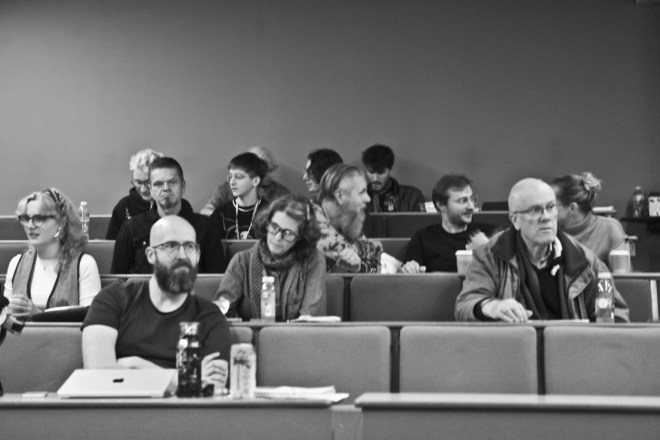
On Saturday November 15th, 2025. University of Wales Trinity Saint David Swansea College of Art hosted Sonic Arts Forum.

Sonic Arts Forum events provide an opportunity for creative people, working with sound as a significant element in their practice, to introduce their work, and receive feedback in a friendly, and supportive, environment, and for audience members to be creatively inspired.
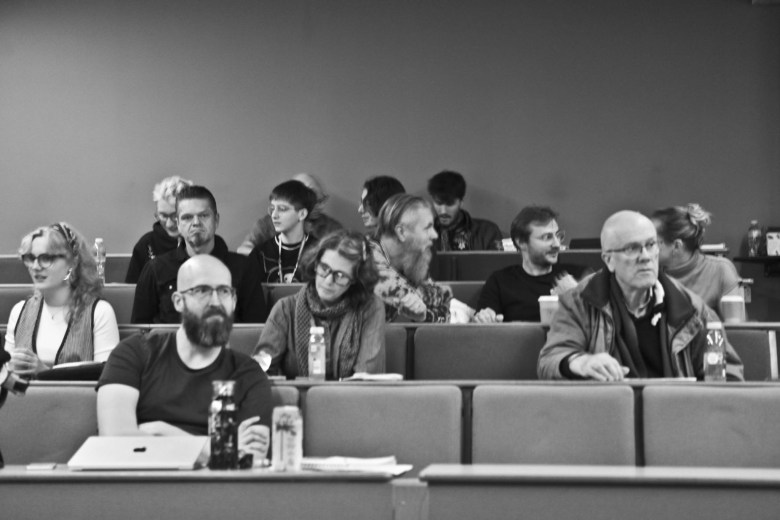
Principal Organiser: Dr. Coryn Smethurst
For Swansea event: Co-Organiser: Susan Matthews, Technical Assistance: Dr. David Bird
Schedule:
9.40 – 10.10am Lydia Evans / Chris Bennett – Homebrew electronics/vocals/acoustic sounds
10.15- 10.45am Richard McReynolds – Interactive electronic tracking systems.
10.50 – 11.20am Vivian Cheung – Piano and fixed media
11.35 – 12.05pm Anna Murray – Noh drama and conductive ink
12.10 – 12.40pm Emily Rae – Politicised Plunderphonics
1.40 – 2.10pm Mark Hanslip – Saxophone and live electronics
2.15 – 2.45pm Teddy Hunter – Field recording, installations and composition
2.50 – 3.20pm Rhian Hutchings – Sound recycling and vocals
3.30 – 4.00pm Robert Gillespie – Audio visual hauntings
4.05 – 4.35 Pooyan Saadati – Sound design
Programme Notes:
Lydia Evans / Chris Bennett
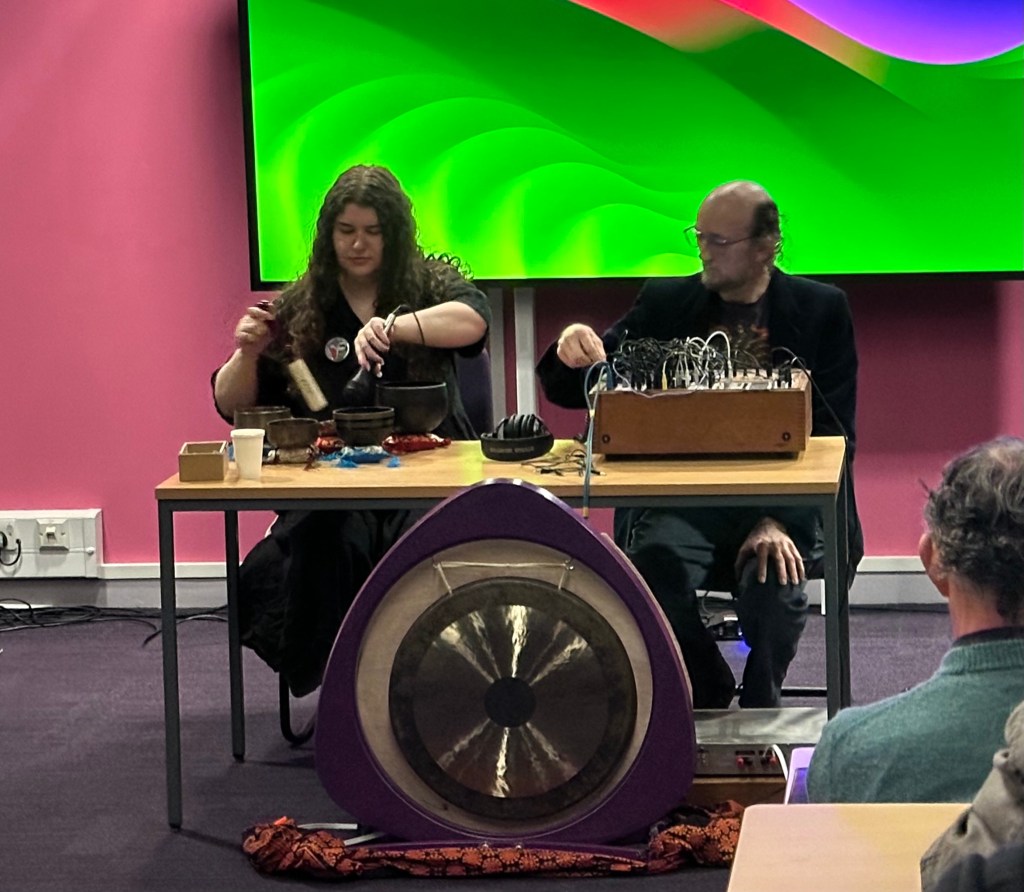
Lydia and Chris are South Wales–based experimental free improvisers, combining electronic and acoustic sources, including hand-built synthesizers (sometimes using motors and specialised loudspeakers), field recordings, voice (often using extended techniques), percussion and flutes. Music and sound, for them can be transformational, transcendental, an act of activism, expression, subversion, and celebration.
Anna Murray

Anna’s soundworld is created via live painting, and improvised electronics using a combination of sensors and conductive ink. She uses the sounds of brush and paper, layered with recordings made in locations across the world, from mountain streams in the Pyrenees, to the machinery in an observatory in Chicago, to the sonic texture of Tokyo itself. Influences include graphic scoring, and Noh, which she studied in Tokyo.
Vivian Cheung
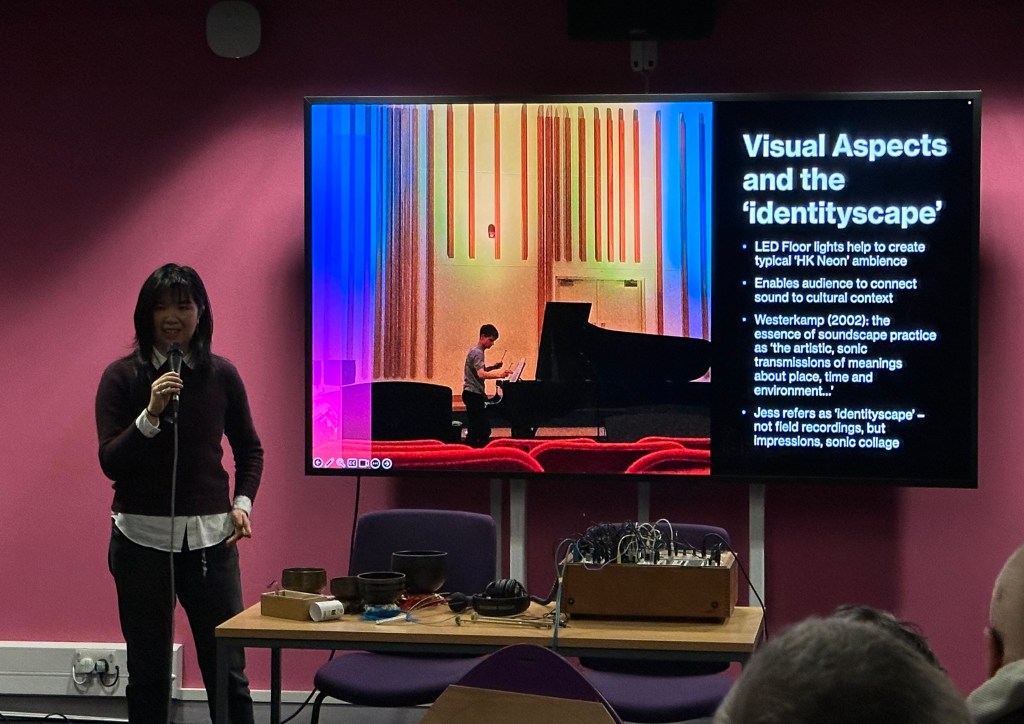
Vivian’s CantoNeon for live piano and fixed electronics is a portmanteau of ‘Cantonese’ and ‘neon’, depicting the glowing neon lights of a fading Hong Kong. It is a personal exploration of the cultural identity of a British-born Chinese who’s never visited their home country. Snippets of interviews about people’s multicultural experiences intermingle with a palette of stylophone, piano, and voice. Throughout the piece, the piano shifts from in-piano techniques to shimmering, blended textures to reflect on the emotional process of shame, reflection and acceptance of one’s identity.
Richard McReynolds

Richard designs and codes performance instruments using MaxMSP, motion sensors, hacked gaming controllers, or custom light-responsive devices to engage in dialogue with his software. He is interested in how the body’s movement can shape sound, a choreography of performance, and how the body’s visual presence is understood as part of this process. This interest has led him to collaborate with dancers, sculptors, and musicians. By tracking movement, he feels he has regained the embodied, expressive control he missed in his purely digital work.
Emily Rae

Emily is a queer, female, Scottish multi-instrumentalist, performer, deviser, and genre-fluid composer whose practice re-contextualises and manipulates found sounds and culturally, emotionally, or historically resonant samples. Emily’s work re-conceptualises female lived experiences to create a space for underrepresented voices through experimental and interdisciplinary approaches to sound.
Mark Hanslip
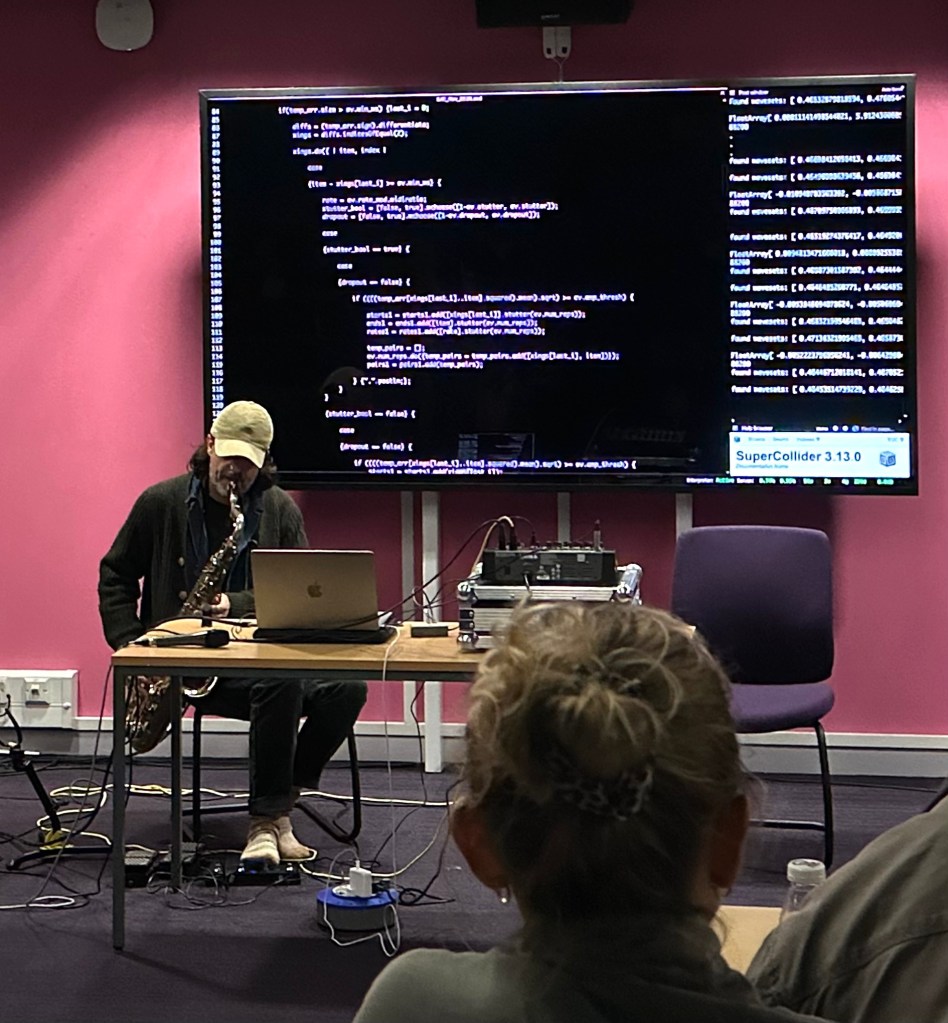
Mark’s core practice consists of improvised saxophone and data-driven electronics.He is currently using Trevor Wishart’s concept of ‘Wavesets’ – a method for identifying then processing short fragments of audio (which originally was only available as a non-real time process) – to process live audio audio signals, achieving unique and unexpected effects in real-time improvised performance.
Teddy Hunter

Teddy explores the environment through her works using synthetic sound, vocals, field recordings, and plant bioelectrical fields, to produce soundscapes and ambient works which engage with ecological themes, including the interactions between humans and nature. She also merges soundscapes with popular music aesthetics to create ambient electronic immersive experiences.
Rhian Hutchings
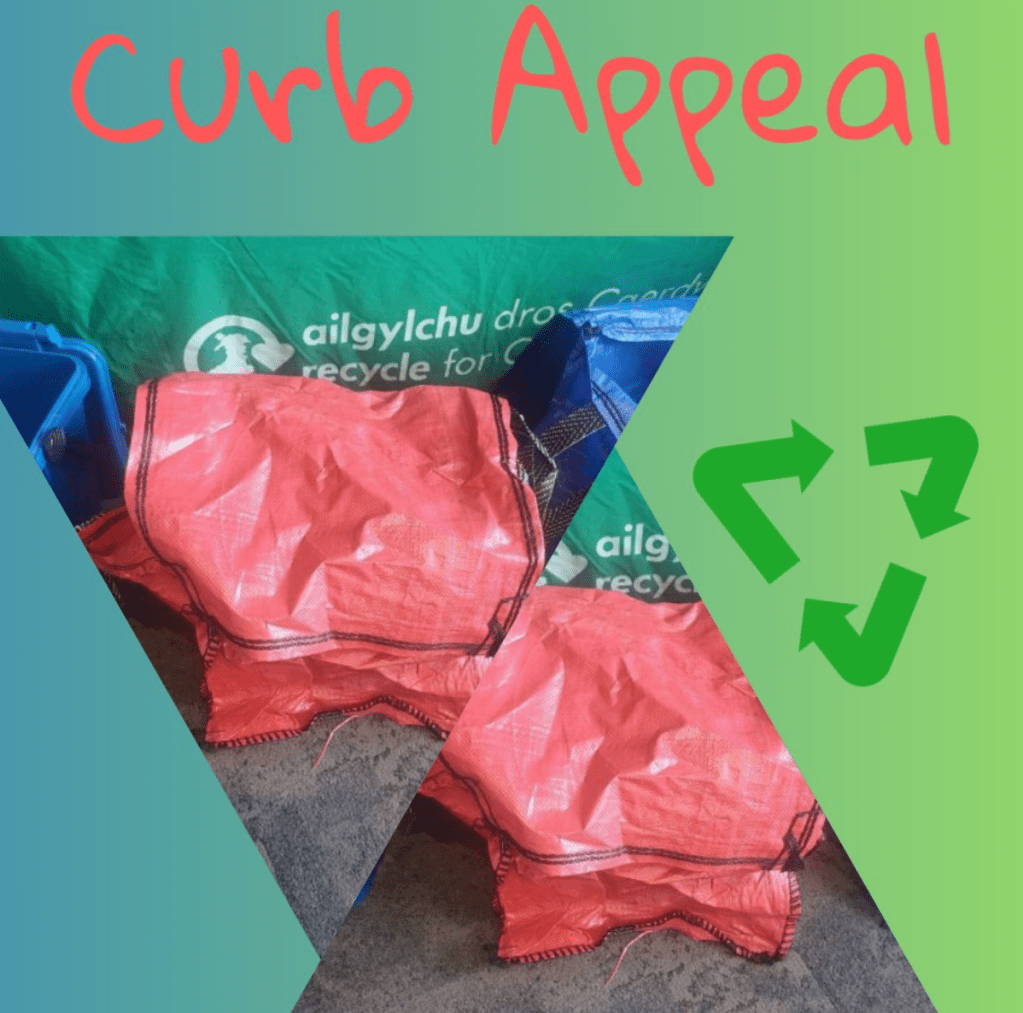
Rhian’s Curb Appeal explores the experience of curbside recycling in her vocal and concrete compositional process. Her work highlights the ethical aspects of recycling. All our glass, plastic, paper & cardboard waste is collected, sorted and recycled. Or is it? While glass can be fully recycled, this is not the case for plastic which can end up being burnt or even shipped abroad to waste dumps in other countries.
Robert Gillespie

Robert’s audio-visual work ‘Anticipation, Experiencing and Remembering’ is influenced by hauntology – how the past can force it’s way into the present, as a feeling, a disturbance, something which cannot be fully grasped or understood.
Pooyan Saadati
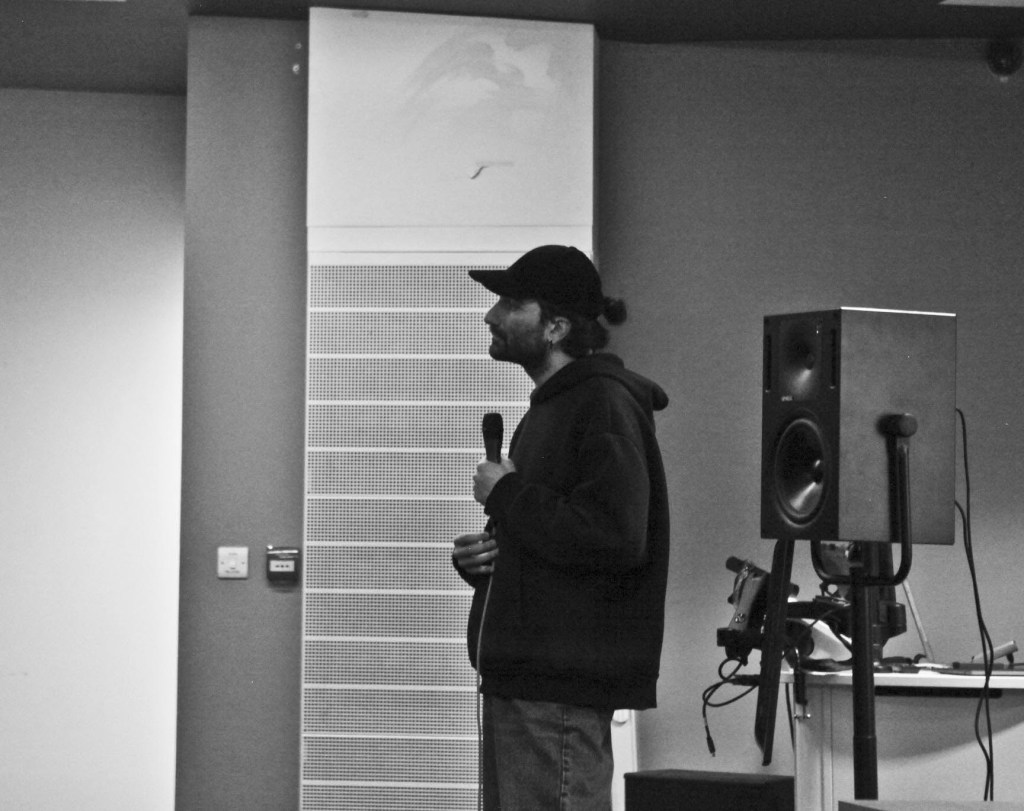
Pooyan created the sound design for a short film about the rights of women in Iran. The sounds used included Geiger counters, synthesizers, and an MRI scanner, along with vocal recordings and piano, which were arranged and processed.
Venue: Samuel Roberts Lecture Theatre, Swansea College Of Art, UWTSD, De-La Beche Street, Swansea, SA1 3EU
Photography by Coryn Smethurst, Susan Matthews, Mark Ingram
 Siren Wire Recordings